
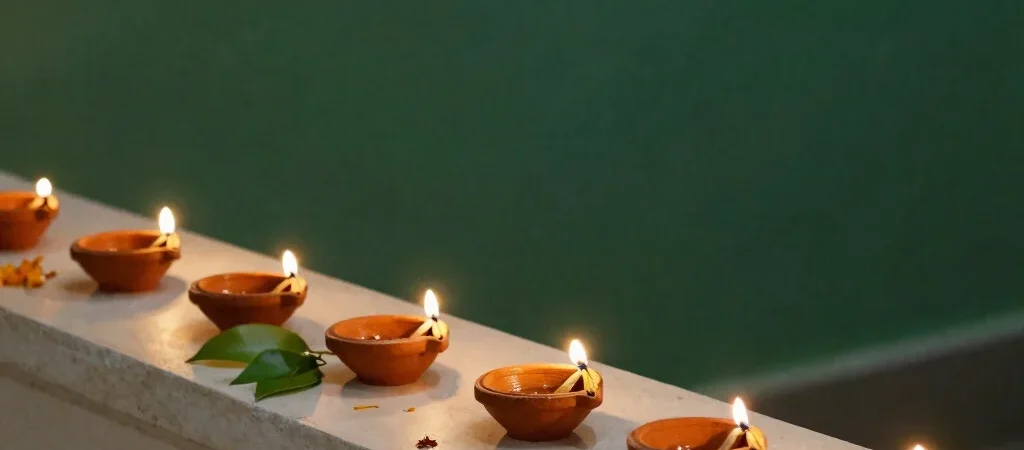
In one home, the evening before Diwali is spent arranging clay lamps; in another, relatives are preparing for a particular puja or planning a visit to the mandir. The festival is widely associated with light, but its stories and observances are not identical across Hindu communities. Understanding that variety makes room for traditions without treating one family’s custom as the rule for everyone.
A festival with many expressions
Diwali, also called Deepavali, is observed in different ways across regions and communities, with practices shaped by local histories, family customs, and religious traditions. In many North and West Indian households, Lakshmi puja is an important part of the observance; in Bengal, Kali Puja is central for many worshippers. These examples are not a complete map, and practices can vary even between neighboring families.
Ask what your family observes
A useful way to learn is to ask an older relative what a particular ritual means and when it belongs in the family’s calendar. Some households mark several days of observance, while others give special attention to one evening or local custom. If you are sharing the festival with friends, describe your own practice as yours rather than presenting it as a universal Hindu tradition.
Make celebration thoughtful
Lighting diyas, preparing food, visiting family, and offering prayers can each be part of a household’s celebration, but no single checklist defines Diwali for everyone. Consider practical care too: place lamps on stable surfaces, keep flames away from fabric, and check local guidance around fireworks. The most meaningful details are often the ones a family can explain, share, and carry forward with care.